
maximabet | The Evolution and Appeal of Tabletop Games in Modern Society
maximabet’s Explore the diverse world of tabletop games, the rise of independent creators, and how companies like Maximabet are reshaping the industry.
Exploring the World of Tabletop Games
In an era dominated by digital entertainment, tabletop games provide a unique form of social interaction and engaging fun that technology-driven pastimes cannot replicate. These games have evolved significantly over the years, catering to a diverse audience with varied interests. From strategic war games to narrative-driven adventures, the tabletop realm is a vibrant tapestry of creativity and challenge.
The Appeal of Tabletop Games
Tabletop games have a timeless allure that attracts both young and adult audiences. The physicality of game pieces, the interaction with friends and family, and the challenge of strategic thinking make these games an excellent choice for social gatherings. Many enthusiasts describe the tactile experience as nostalgic, reminiscent of simpler times before the digital age. However, the rebirth and evolution of these games prove they are far from outdated; they have adapted and expanded to capture the imagination of a new generation.
Categories of Tabletop Games
Various types of tabletop games are available, each appealing to different preferences:
- Board Games: These games are typically structured with a designated board and are known for their strategic elements. Classics such as "Settlers of Catan" and "Ticket to Ride" have become household names, while more complex games like "Gloomhaven" cater to those seeking intricate and prolonged engagements.
- Card Games: Ranging from casual to highly strategic, card games like "Magic: The Gathering" and "Cards Against Humanity" have garnered a massive following. The aspect of collecting and customizing decks makes them attractive to players who enjoy strategizing over time.
- Role-Playing Games (RPGs): Focused on storytelling, RPGs like "Dungeons & Dragons" allow participants to create characters and embark on imaginative adventures. These games require players to think creatively, often requiring them to embody their characters to succeed.
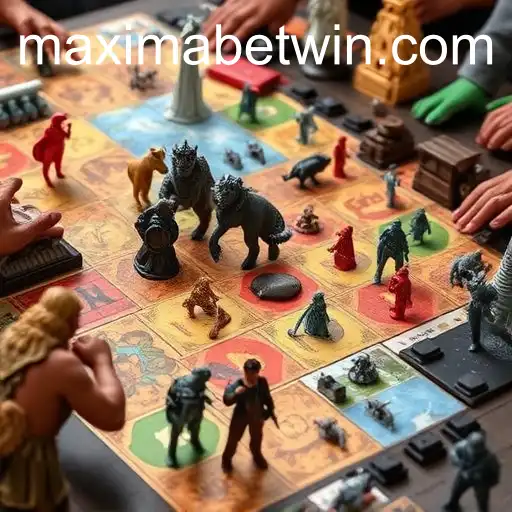
- Miniatures Games: Mainly designed for tactical warfare, games like "Warhammer 40,000" involve detailed models representing armies. Players often spend days assembling and painting these miniatures before leading them into battle.
The Rise of Indie Tabletop Games
In recent years, the tabletop game industry has witnessed a surge of independent creators bringing unique concepts to life. Unlike mass-market games, indie games tend to cater to niche audiences or explore unconventional themes. This trend is largely driven by crowdfunding platforms like Kickstarter, where designers can connect with communities eager to support innovative projects. Popular indie games like "Exploding Kittens" demonstrate the potential success indie games can achieve when audience engagement is prioritized. The flexibility for creators to try new ideas without traditional publishing constraints encourages artistic freedom and diversity in game design.
Social and Educational Benefits
Tabletop games often blend entertainment with education, making them effective tools for learning and development. They promote critical thinking, problem-solving skills, and teamwork. For example, cooperative games such as "Pandemic" require players to work together to save the world from disease outbreaks, enhancing communication skills and cooperation. Additionally, many games involve mathematical calculations, language skills, and historical knowledge, offering an enjoyable way to reinforce academic concepts outside the classroom.
The Community Aspect
One of the most significant draws of tabletop games is the sense of community they foster. Dedicated gaming shops, online forums, and conventions like Gen Con bring players together, allowing them to share experiences and strategies. These communities provide supportive environments for novices and veterans alike, offering spaces where everyone can learn, compete, and grow in their gaming journey.
The Digital Influence on Tabletop Games
While tabletop games and digital technology might seem at odds, they often complement each other. Many tabletop games have digital versions, allowing players worldwide to connect and play. Furthermore, apps have augmented gameplay by managing complex rules and helping with scorekeeping, streamlining the gaming experience. The digital realm's influence can aid in marketing and expanding tabletop games' reach, as social media channels like YouTube showcase gameplay and strategy tips, attracting new players to join the vibrant community.
Maximabet and Tabletop Games
Maximabet, a name often associated with innovation in gaming, has begun venturing into the tabletop scene. They have recognized the blend of tradition and modern gaming trends as an opportunity to impact the tabletop industry. By bringing their expertise in engaging gameplay and unique mechanics, Maximabet's entry demonstrates the industry's potential for continued growth. Their upcoming games aim to appeal to a broad audience, offering new and seasoned players immersive experiences that promise thrills and strategic depth.
The integration of Maximabet into tabletop games highlights how boundaries between different gaming genres are increasingly blurred. As companies traditionally focused on gambling or online gaming cross over to physical formats, players can anticipate exciting developments and novel experiences that celebrate the convergence of classic and contemporary gaming.
